September 30, 2026
What Studying Love Taught Me About Building a Dating Product
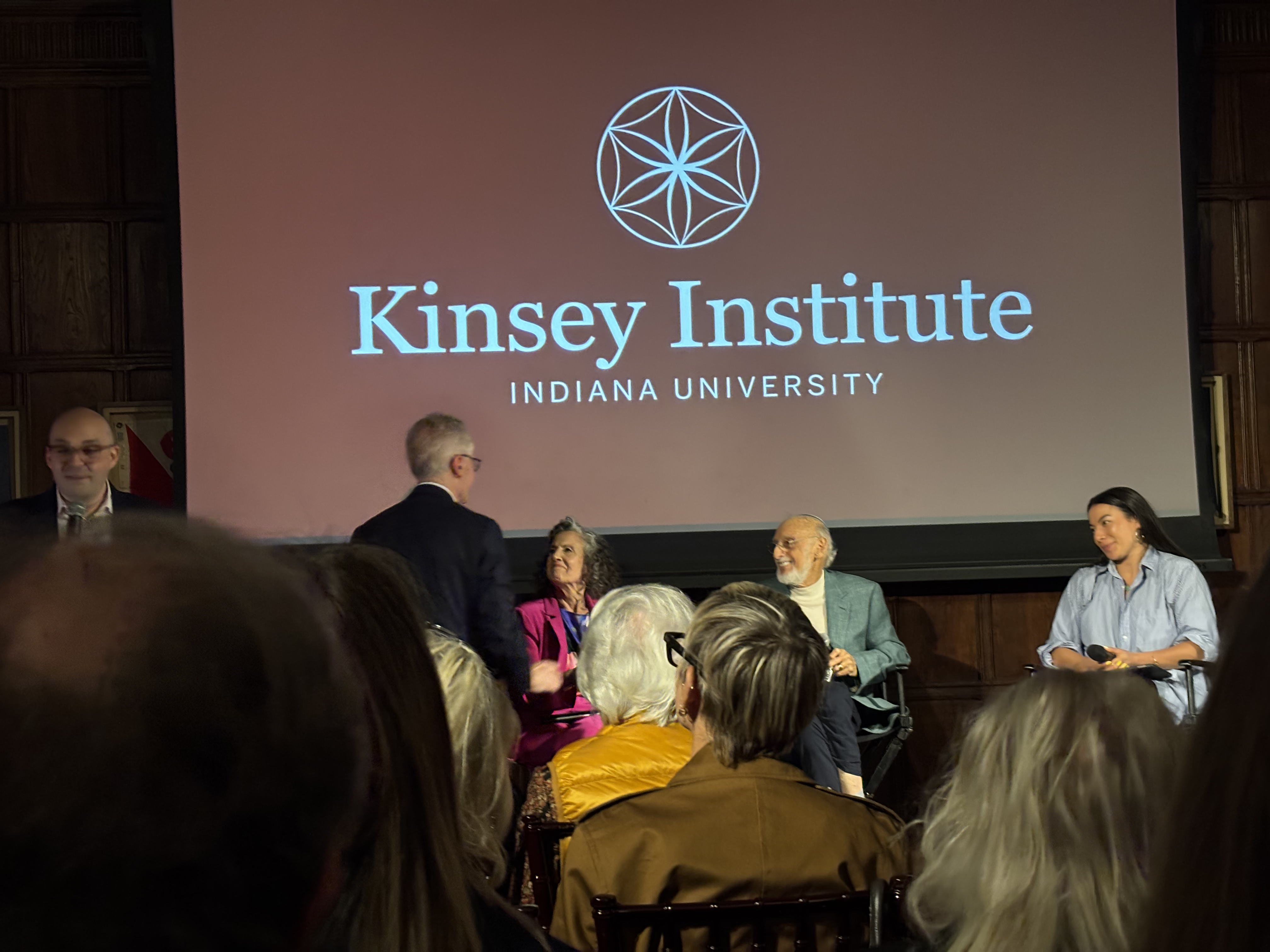
I spent an evening at The Explorers Club, listening to some of the world's most renowned relationship experts. I went in thinking about dating but left thinking differently about what technology should and shouldn't try to solve.
Dating apps are built around an intuitive idea: the better we get at finding exactly the person someone wants, the better their chances of finding a relationship that works.
This leads to more filters, better recommendations, and more information revealed upfront. The goal is to find someone who checks your boxes before you even say a word to them.
However, last night, I heard a very different perspective on how relationships actually form and survive. Quite the opposite, actually.
The panel brought together Drs. John and Julie Gottman, whose research has spent decades examining relationships and what separates couples who last from those who don't. Alongside them was Dr. Justin Garcia, Executive Director of the Kinsey Institute.
I originally wanted to attend for an obvious reason: I'm building Destiny Rings, and if you're trying to build technology around human connection, you should probably spend some time listening to the experts.
I expected to leave with notes. I didn't expect to leave questioning one of the biggest assumptions behind modern dating.
Are we too focused on finding the "perfect" person?
One of the ideas that stuck with me most was the discussion around matching people based on what they say they want.
We tend to imagine that somewhere out there is a person who matches the description we've built in our heads. Technology has gotten incredibly good at letting us filter people based on those preferences.
But one of the fascinating points discussed during the event was that matching people around their stated idea of a perfect partner doesn't necessarily lead to the result you'd expect. Sometimes, going in without those expectations can lead to an unexpectedly strong relationship.
Sometimes you need to meet the person first.
That is almost the exact opposite of how modern dating technology has evolved. We keep adding information and filters before the interaction happens. We're trying to answer the question, “Will I like this person?” before two people have even spoken to each other.
We may be asking technology to answer questions that are impossible to resolve without interaction. Many of the people who affect our lives most probably wouldn't have passed every filter. Sometimes you need to meet the person first.
Maybe compatibility isn't the relationship
Another thing that stood out was how little the conversation about successful relationships sounded like the way dating apps talk about compatibility. The Gottmans spoke about behaviors that emerge after two people are together.
One of their best-known concepts is the Four Horsemen: criticism, contempt, defensiveness and stonewalling—patterns of communication associated with relationships in trouble.
We spend so much effort trying to determine whether two people are compatible enough to meet. In reality, finding someone compatible and building a successful relationship aren't the same problem.
You could theoretically find someone who checks every box you've ever created. However, that doesn't determine how you'll handle conflict. It certainly doesn't determine whether you'll make the other person feel appreciated.
Technology can optimize the introduction all it wants, yet eventually, two human beings have to do the rest.
The smallest moments might matter the most
The most interesting topic of the night was hearing about something far less dramatic than compatibility algorithms or finding "the one."
This is known as “bids for connection.” A bid can be incredibly small, even something as simple as a partner pointing something out.
Things like telling a joke, admiring the weather, or bringing up something that happened during their day are examples. In the smallest way possible, they are asking you to connect with them. You can either turn toward that bid or turn away from it.
When we talk about love, especially through the lens of dating products, we tend to focus on the beginning: the match, the opening line, the first date, the continued conversation.
We focus on the wrong things because relationships aren't lived in those headline moments. They're lived in thousands of interactions that seem insignificant in the moment.
That ultimately made me think about Destiny Rings in a different way. Technology might be able to create an opportunity for two people to meet, but it can't choose whether you turn toward or away from those bids.
Technology can create the opportunity. It can't build the relationship for you.
Technology shouldn't choose your relationship
When I started building Destiny Rings, the core idea was that dating technology had become disconnected from where human connection actually happens.
We sit alone scrolling through profiles of people who might be a few blocks away, decide whether they're worth talking to based on a handful of pictures and prompts, and then spend days or weeks messaging before discovering what it feels like to actually stand across from them.
Destiny Rings approaches that problem from the other direction: you're already around each other. The technology provides a little context that might make starting the interaction easier. But once it has served its purpose, it gets out of the way.
Listening to the panel made me appreciate that philosophy even more—but for a different reason than I expected.
Maybe the problem isn't simply that we're swiping too much. Maybe we've started expecting technology to make decisions that humans are supposed to discover for themselves.
Technology should instead simply help people notice an opportunity.
The more I build Destiny Rings, the more convinced I become that the most important part of the product isn't what happens on the screen or on the wearable.
It's what happens after someone looks up.

Written by
Jayson Shin
Founder of Destiny Rings. Building wearable technology that helps people spend less time searching through profiles and more time noticing the people already around them.
"Technology shouldn't replace chemistry.
It should simply give chemistry a chance."
Continue Exploring
Join the Destiny Rings Early Access Waitlist
Be one of the first to test Destiny Rings as we move into real-world beta testing.
Join the WaitlistDestiny is ringing.