June 29, 2026
Why We Built a Dating Ring Instead of Another Dating App
Dating apps changed how we meet people. I'm not convinced they made it better.

Walk into almost any crowded bar on a Friday night. There might be hundreds of people around you — some are single, some probably share your interests, one of them might quite literally be the one. But instead of looking around, most people look down. They pull out their phone.
That always felt backwards to me. We've never been surrounded by more potential connections, yet we've also never spent more time searching for them through a screen. The more I thought about that contradiction, the more one question kept bothering me.
What if technology stopped replacing real life... and simply helped us notice it?
That's the question that eventually became Destiny Rings.
Dating Apps Aren't the Enemy
I'm not anti-dating app. Millions of relationships exist because someone swiped right — clearly they solved a real problem. But I also think something got lost along the way. The incentives changed.
Dating slowly became something we do sitting alone on our couch instead of something that happens while we're actually living our lives. Instead of noticing who's around us, we refresh another stack of profiles. Instead of wondering whether someone across the room might be interested, we wait for another notification. Technology was supposed to help us meet people. Somehow it became another thing standing between us.
Attention Is a Currency in 2026
You may have heard the popular phrase: attention is a currency. Usually that pertains to media and virality, but I'd argue it fits dating dynamics even better. The way social media and dating apps have changed what our brains reward is fascinating. Many don't optimize for genuine connection anymore — they optimize for attention.
Every match feels like a small reward. Every notification feels like progress. Every new conversation feels like another possibility. The strange part is that none of those things necessarily bring you any closer to actually meeting someone. Somewhere along the way, attention became easier to collect than genuine connection.
Having graduated college only a few years ago, I've heard the same frustration over and over again: "I get matches. I just don't get anywhere." And when you start looking at the numbers — swipe rates, match rates, response rates — you begin to understand why so many people walk away feeling frustrated.
"I don't think the hardest part of dating is flirting. I think it's saying hello."
The Hardest Part Was Never Finding Someone
One realization kept coming back to me. I don't think the hardest part of dating is flirting. I don't even think it's finding someone you're attracted to. I think it's saying hello.
Walking up to someone you've never met is uncomfortable. There's the fear of rejection, the fear of interrupting someone, the fear that you completely misread the situation. And that's all normal. No app solves that. No algorithm solves that. Confidence still matters. Chemistry still matters. Conversation still matters.
But I kept wondering: what if technology could simply make that very first step a little easier? Not by replacing the conversation. Not by flirting for you. Not by guaranteeing anything. Just by making you feel a little more confident that introducing yourself wasn't completely out of the blue. Because if two people never start talking, nothing else matters. That became the idea behind Destiny Rings.
Why Hardware Instead of Another App?
One of the questions I get asked most is: why build hardware at all? Why not just make another dating app? The answer is actually pretty simple — because another app still lives inside your phone, and your phone is exactly where I was trying to get people to spend less time.
I didn't want another notification competing for your attention. I didn't want another app asking you to check your screen every few minutes. I wanted technology that quietly disappeared into the background until the exact moment it could actually be useful. To me, that required hardware. Not because hardware is easier — trust me, it isn't. If all I wanted to build was another dating app, I probably would have finished a long time ago. But if the goal is helping people spend more time looking up instead of looking down, then the product itself shouldn't require staring at a screen. That's what led me to a ring.
The Ring Philosophy
The whole point of Destiny Rings is that you shouldn't have to think about it very much. You put the ring on, you go live your life — a coffee shop, a run club, happy hour, a baseball game. If someone nearby might actually be a good fit, your ring quietly lets you know. Not because it's trying to replace chemistry, but because it's trying to give chemistry a chance.
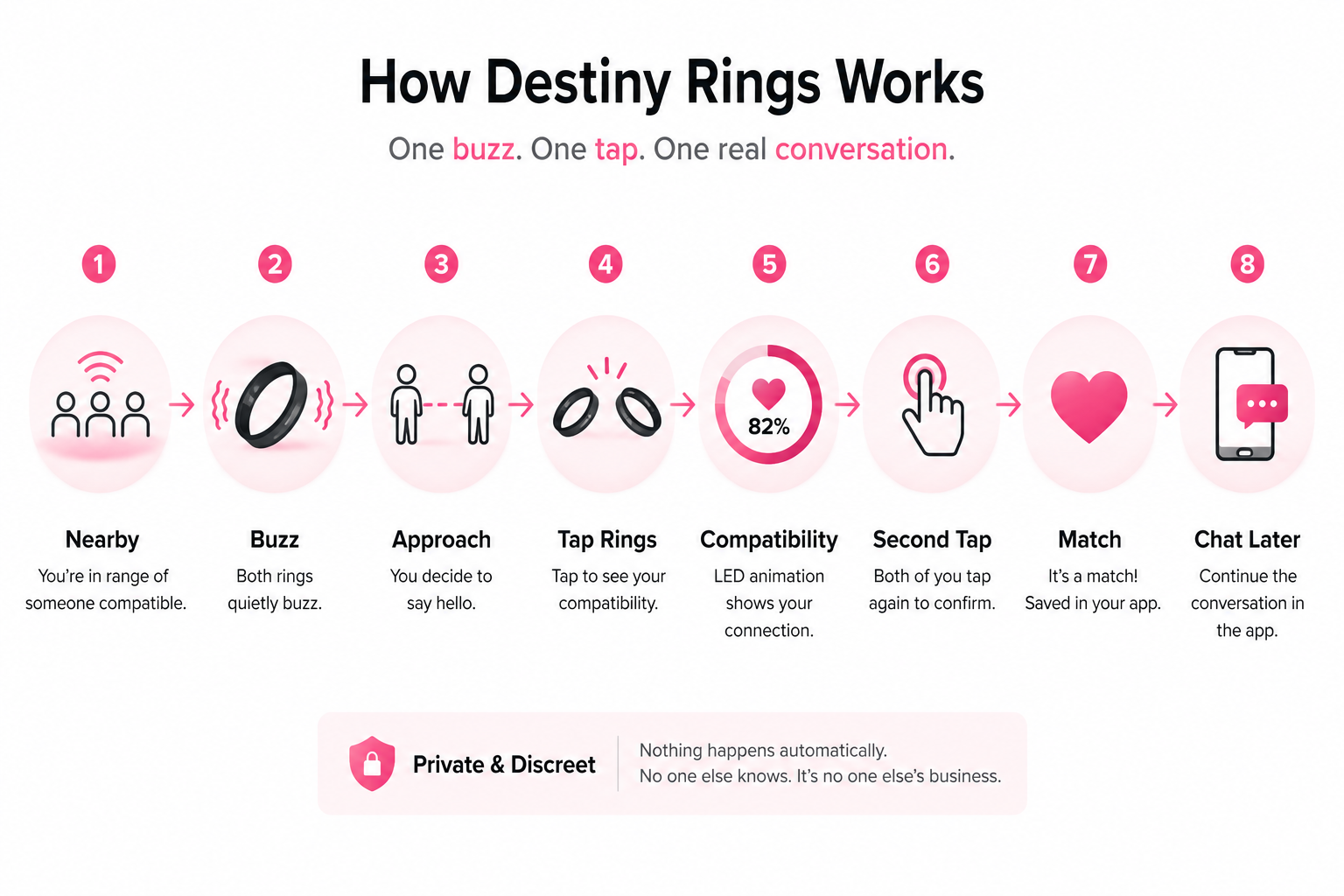
One buzz.
One tap.
One real conversation.
When two potentially compatible people are nearby, both rings quietly buzz. Nothing happens automatically. There's no public announcement — no one else knows, and it's no one else's business. From there, it's still up to you.
If you want to introduce yourself, you can. If the conversation goes well, you can tap your rings together to see your compatibility level through the LED animation. If both people want to continue talking, one more tap confirms the match and it appears inside the app so you can chat later.
That's it. No pulling out your phone. No searching for someone's Instagram. No hoping you remember their name before they disappear into the crowd. Just one real interaction, followed by technology getting out of the way again.
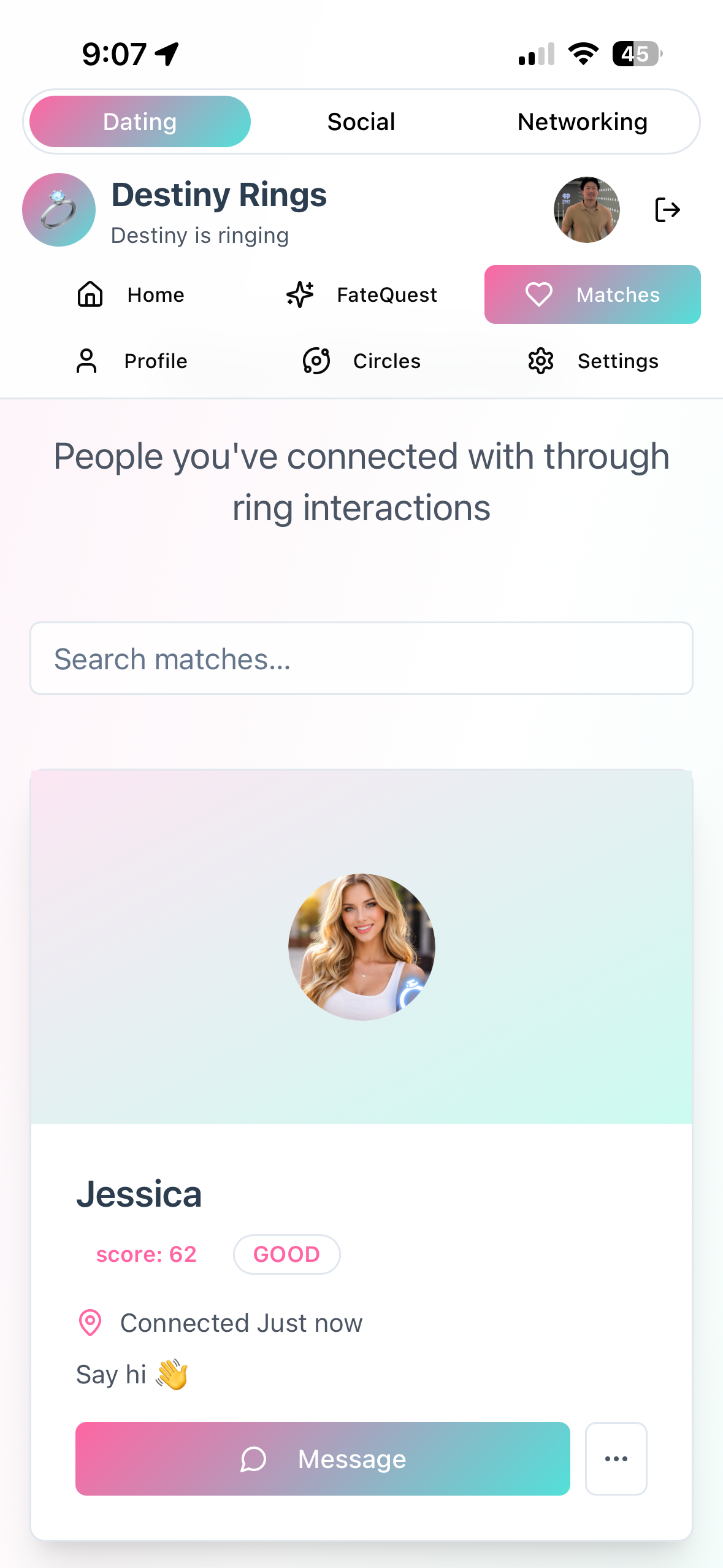
Building It
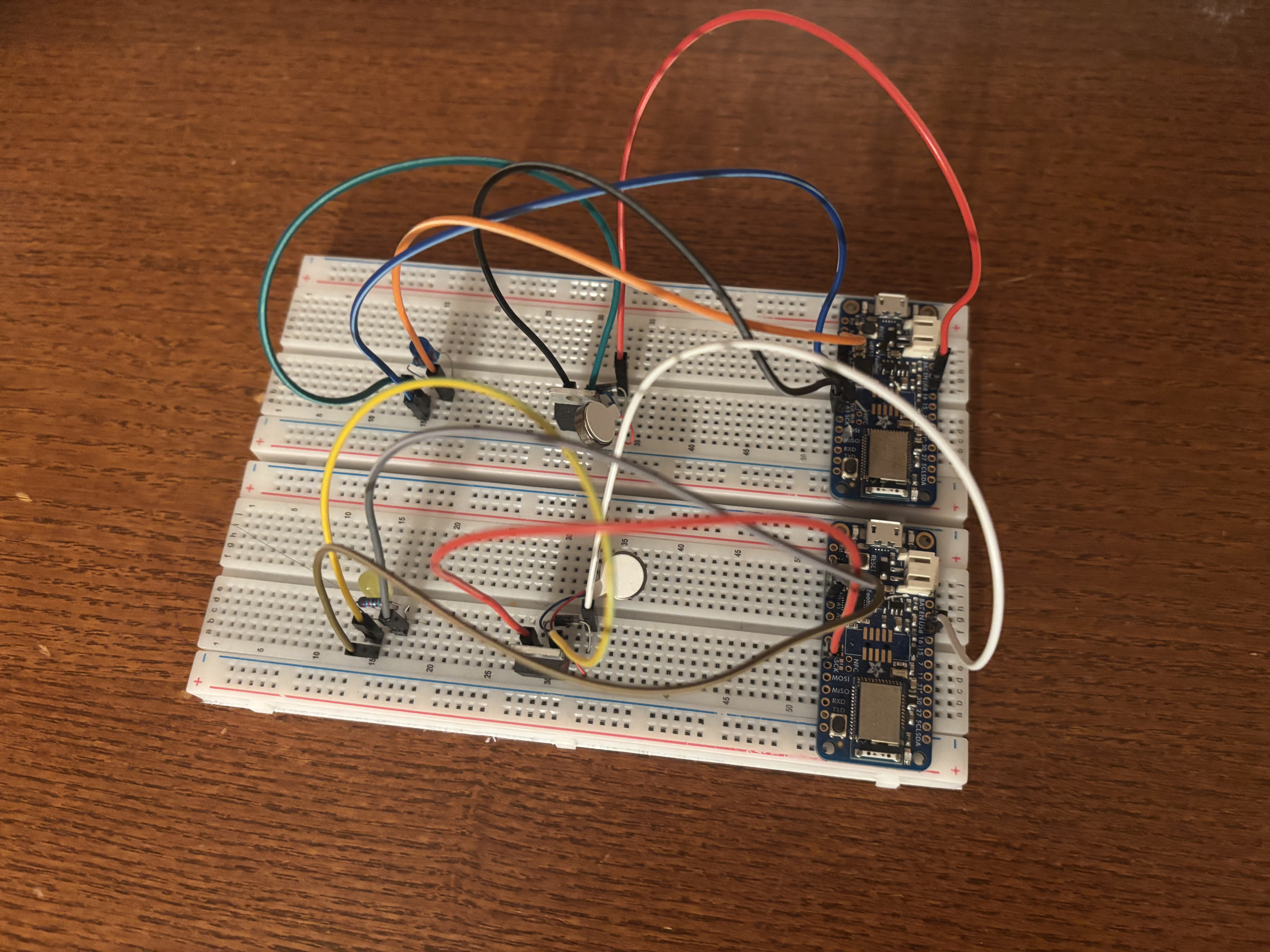
People usually see the idea. They don't see the hundreds of hours that come before it. The first prototype wasn't a ring — it wasn't even close. It was a mess of wires sitting on my desk.
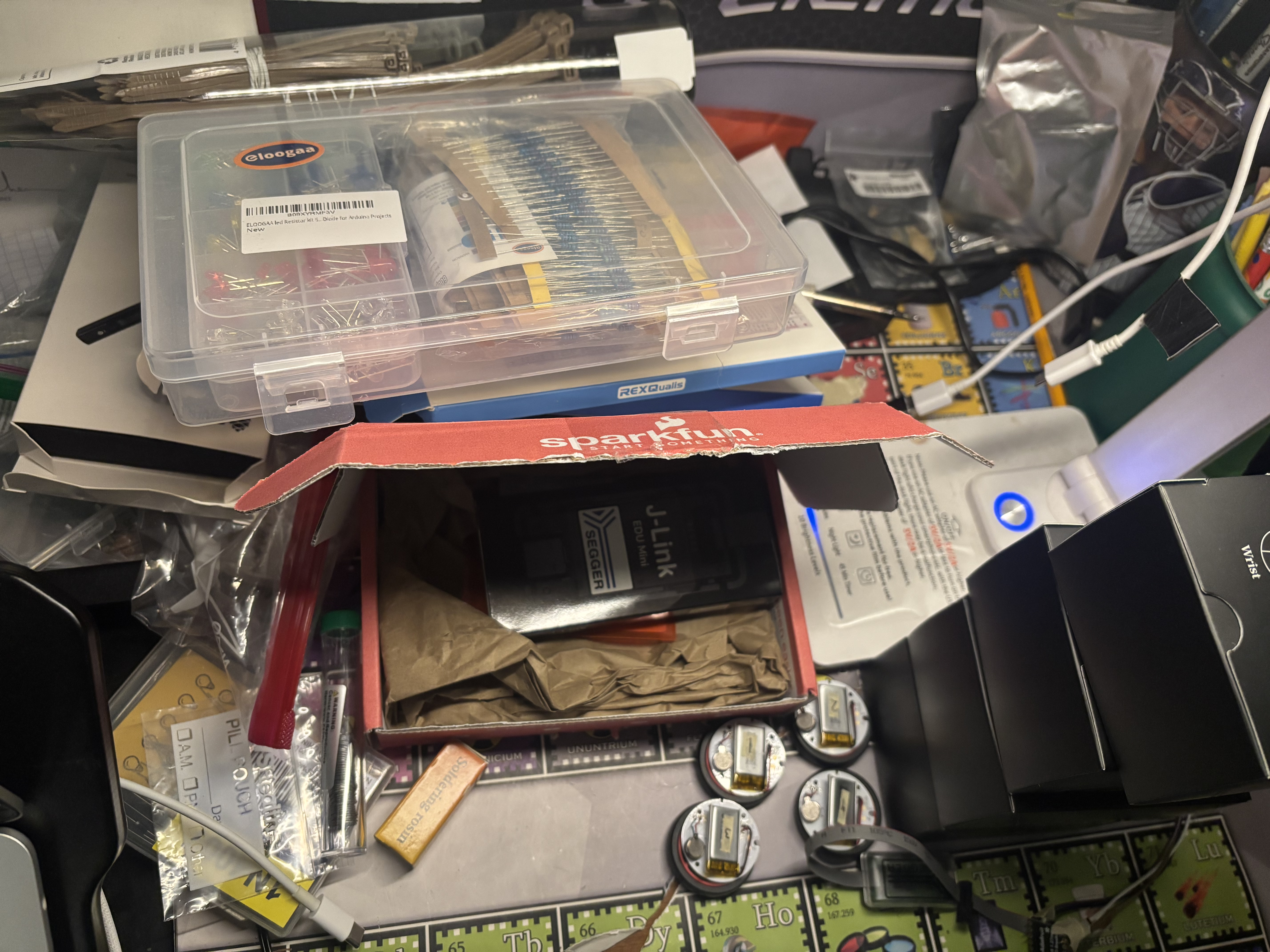
At one point my office looked less like a startup and more like an electronics warehouse — boxes of sensors, motors, batteries, PCBs, and wires everywhere. Most of those parts never made it into the final prototype. That's just what building hardware looks like.
Then came bulky wristbands. Then more prototypes. Then Bluetooth bugs that took days and nights to figure out. Then App Store review. Then manufacturer calls at odd hours because of the time difference.
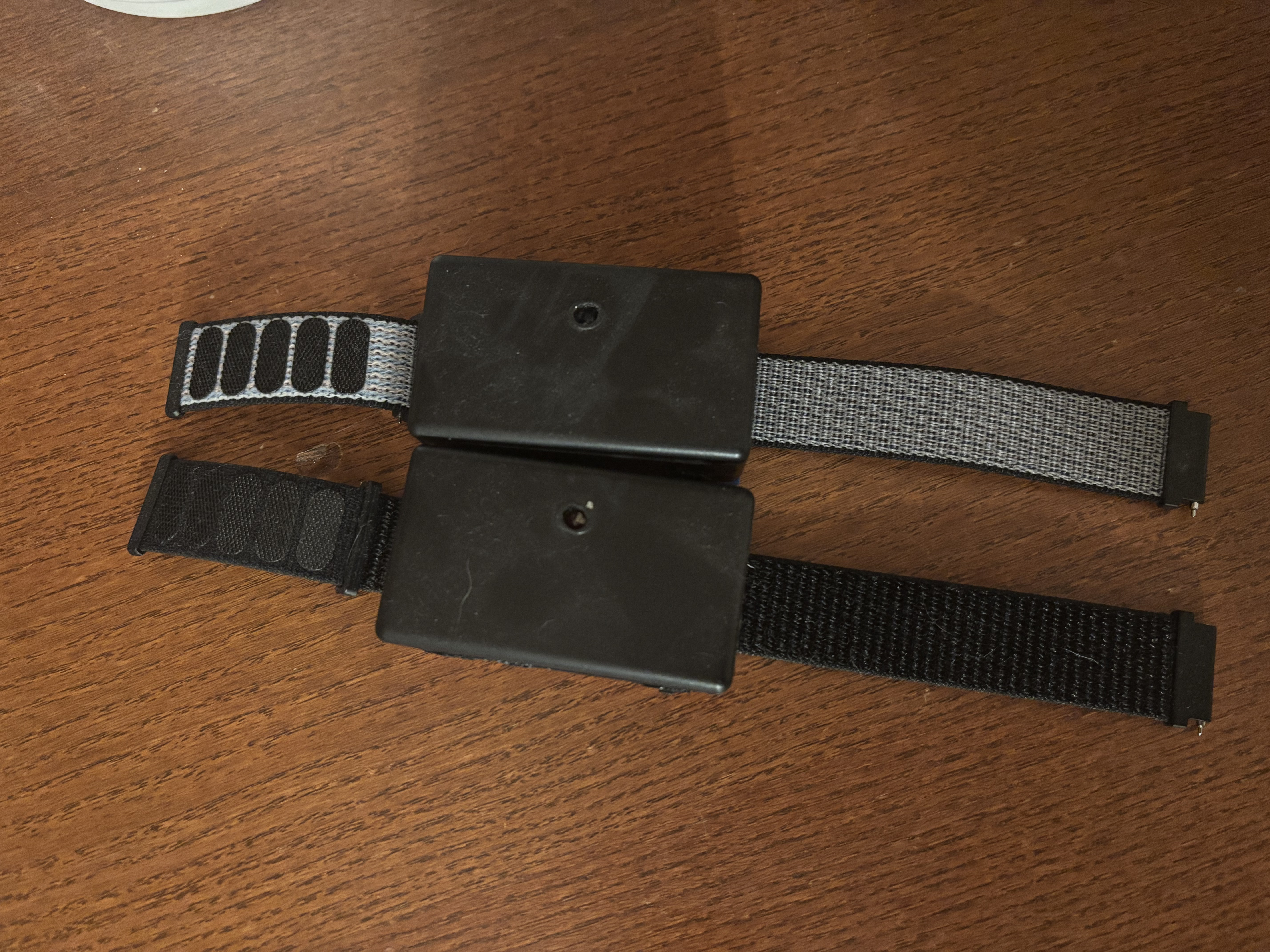
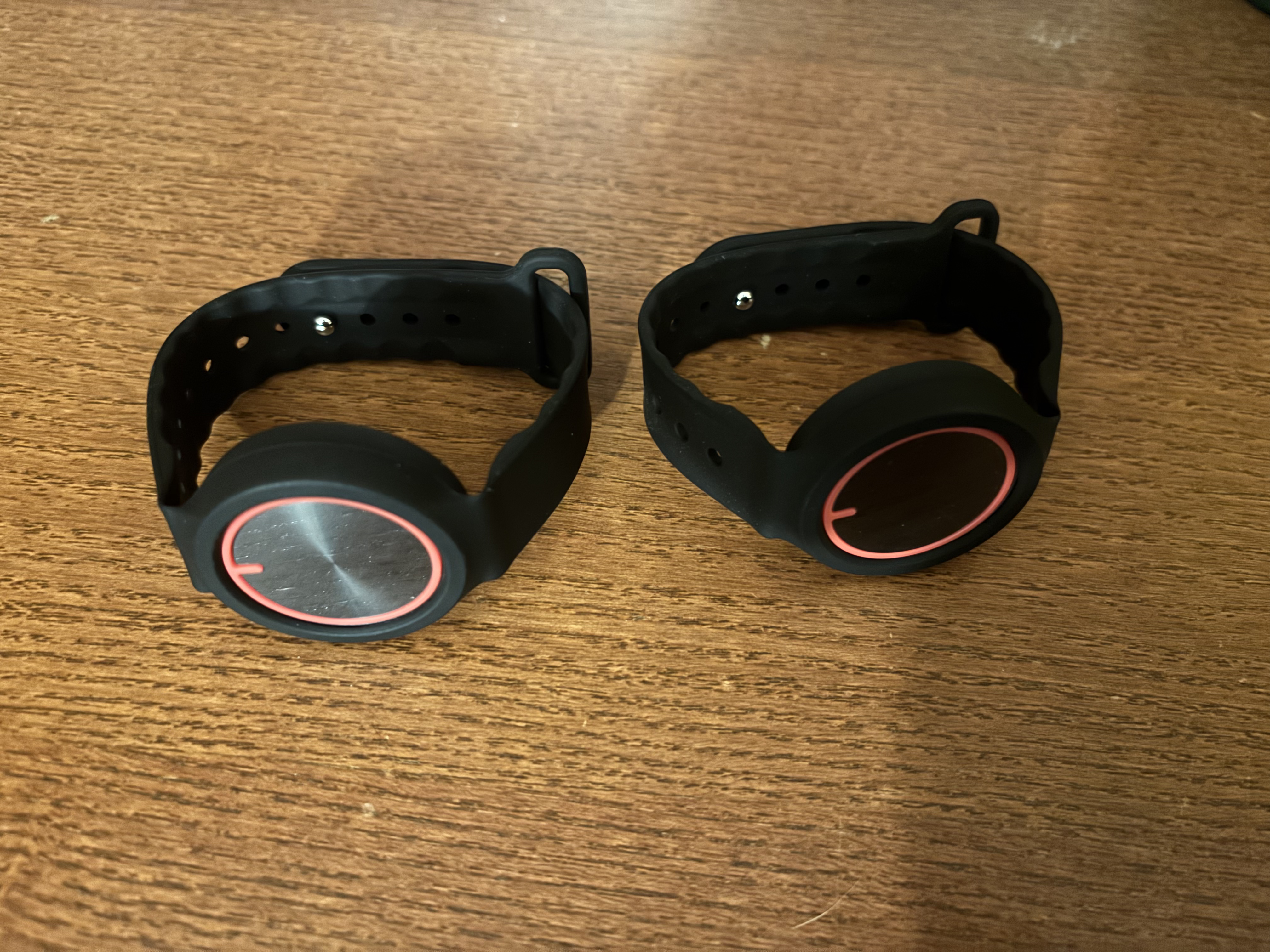
I remember spending several straight nights trying to figure out why two prototypes sitting on the same desk refused to communicate with each other. The fix ended up being something embarrassingly small. That's hardware — one tiny problem can make the entire product feel impossible until suddenly it isn't. Hardware has been the hardest thing I've ever built. But every version answered one question while creating ten more. That's just what building something new looks like.
Why Hoboken
Every startup has to start somewhere. I chose Hoboken because it has something that's surprisingly rare — few cities pack as many bars into such a small, walkable area. People actually live life outside: coffee shops, run clubs, the waterfront, young professionals everywhere. You don't just pass people once. You see them again and again.
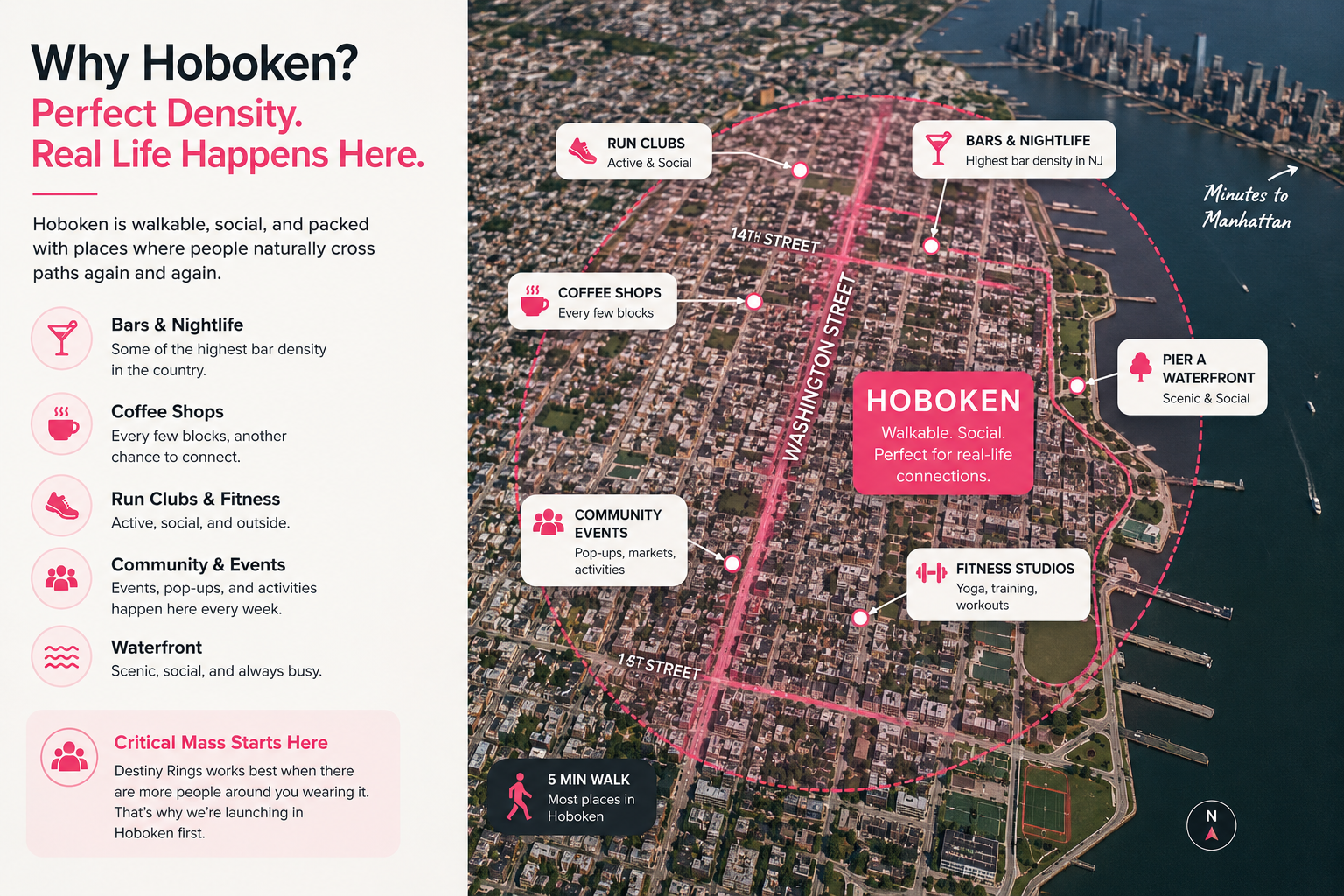
The naive mistake would be to market everywhere. But Destiny Rings is different — it needs something that most other startups don't: critical mass. Most startups benefit from more users. Destiny Rings depends on them. A social network with one user isn't much of a social network. A Destiny Ring only becomes valuable when other people around you are wearing one too. That's why launching city-by-city isn't just a marketing decision. It's part of the product itself.
A Final Thought
I have no idea whether Destiny Rings will change dating. Maybe it won't. Maybe five years from now someone else builds something better — I'd be okay with that. Because the goal was never to build another app. The goal was to help people spend less time searching through profiles and more time noticing the people already around them.
I think real life still has a kind of magic that no algorithm can fully recreate. If technology can quietly help more of those moments happen, then every late night, every failed prototype, and every setback along the way will have been worth it.
Maybe the future of dating isn't about better algorithms. Maybe it's about giving real life another chance.

Written by
Jayson Shin
Founder of Destiny Rings. Building wearable technology that helps people spend less time searching through profiles and more time noticing the people already around them.
"Technology shouldn't replace chemistry.
It should simply give chemistry a chance."
Continue Exploring
Join the Destiny Rings Early Access Waitlist
Be one of the first to follow the journey before our first launch.
Join the WaitlistDestiny is ringing.